The Myth Of "Wearing Keys Evenly"
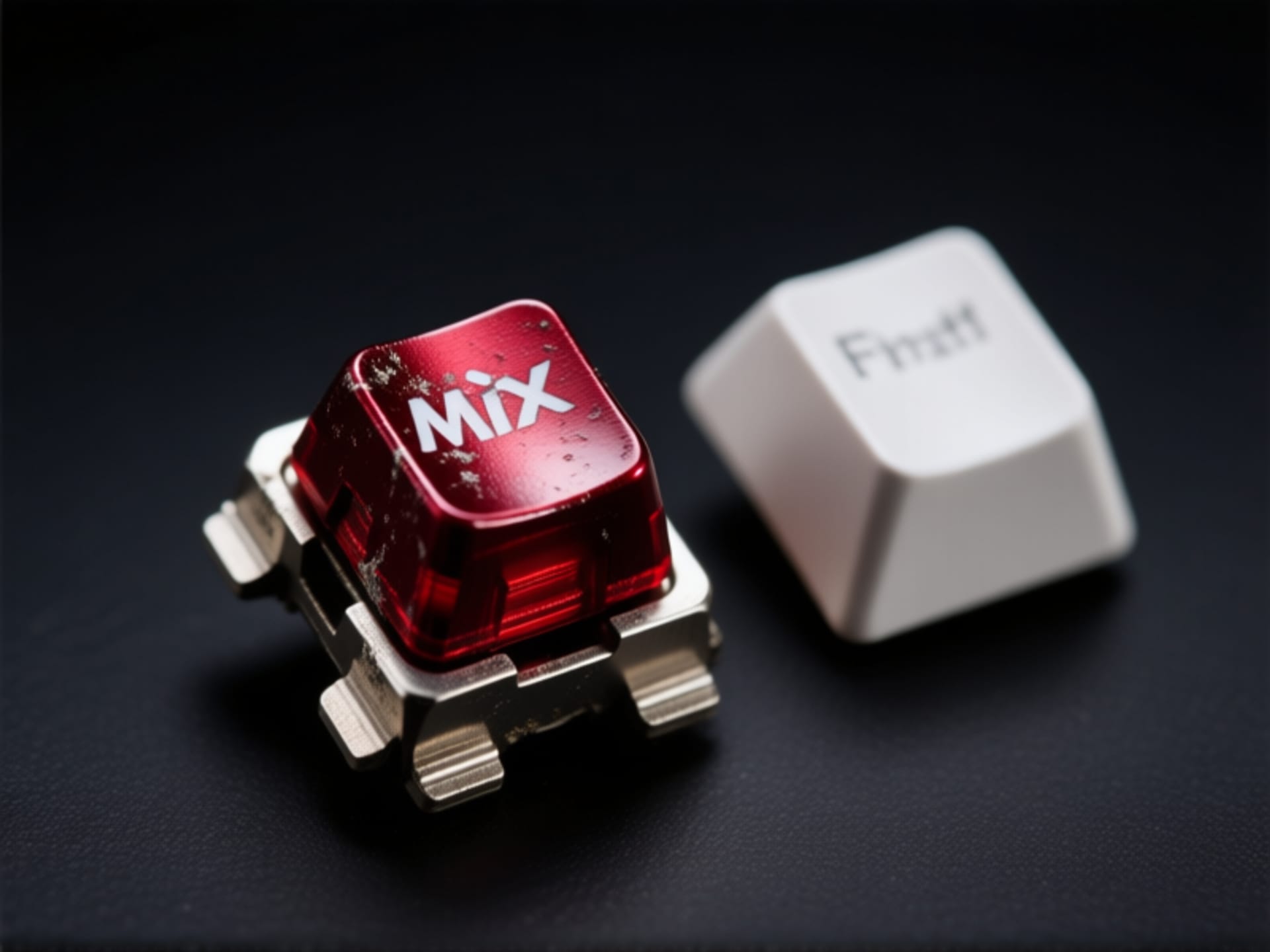
Let’s talk about the elephant in the room. The idea behind switch rotation—rearranging your keycaps to even out wear—sounds vaguely logical. Like rotating your tires. The problem? It completely misunderstands how a switch wears down.
Nope, It's Not The Keycap
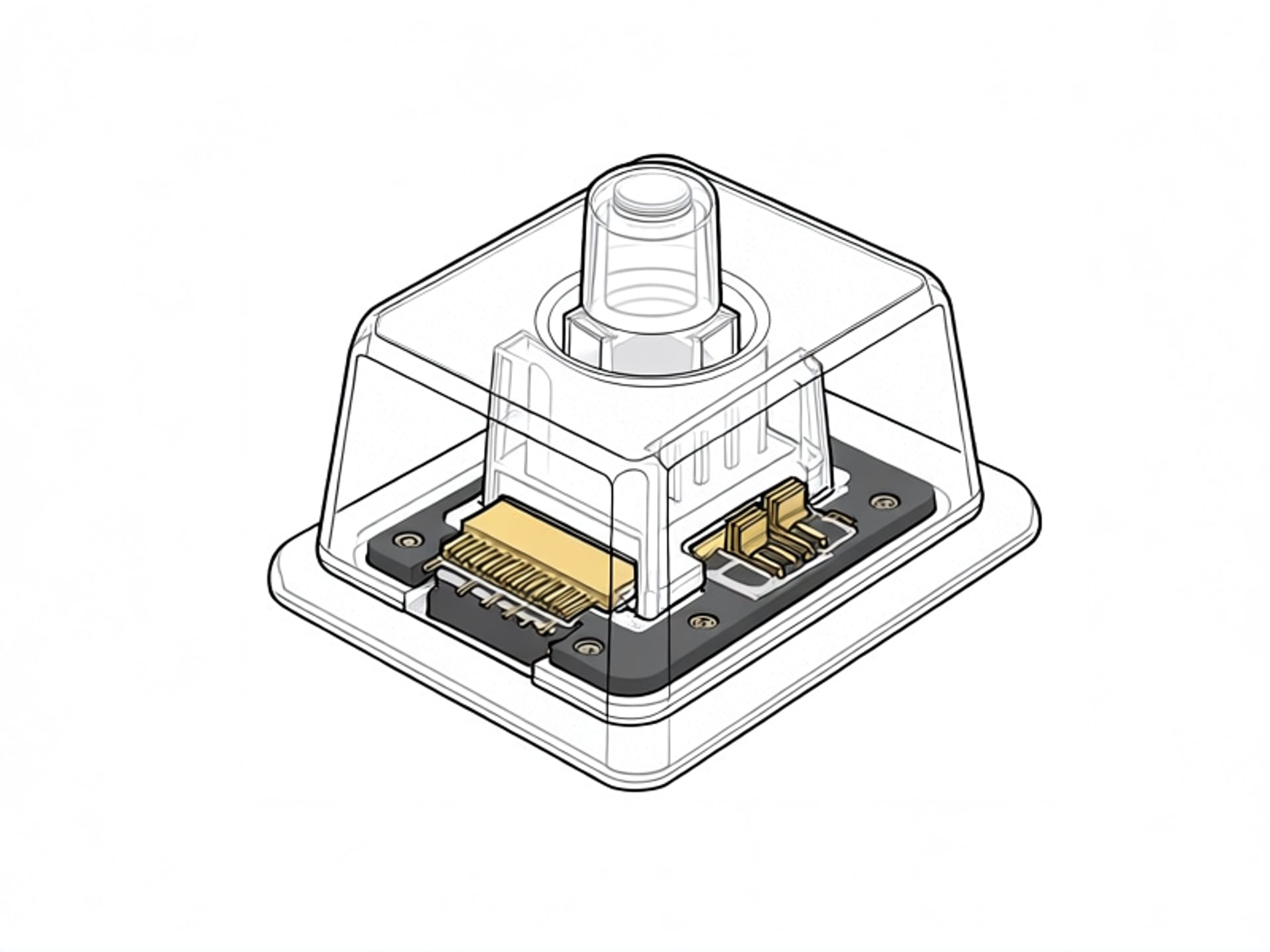
Here's the thing. Wear happens inside the switch, underneath that pretty keycap. It's the plastic stem interacting with the housing. It's the delicate metal contact leaves getting oxidized or physically worn from millions of tiny electrical connections. Swapping your "A" and "P" keycaps does exactly nothing for the internal components doing the real work. You're just moving a shiny surface to a different location.
Your Typing Is The Real Culprit
Think about it. Do you press every key with the same force, the same angle, the same frequency? Of course not. Your spacebar gets obliterated. Your "WASD" cluster lives a hard life. The backspace key? It's the unsung hero under siege. Wear is personal. It’s a fingerprint of your unique muscle memory and typing style. You can't "fix" that by shuffling plastic squares.
So How *Do* You Extend Switch Life?
If rotation is a dead end, what actually works? First, clea your board. Dust and gunk are the enemy. A can of compressed air is your friend. Second, consider switch lubing. A proper lube job on the stem and springs can dramatically smooth out the feel and reduce internal friction—the kind that actually matters. Finally, just... use good switches from reputable brands. Quality materials last longer. It's that simple.
When You *Should* Rearrange Your Keys
All this doesn’t mean keycap shuffling is useless. It's just useless for preventing wear. Do it for aesthetics—create a cool color-blocked pattern. Do it for fun—put a novelty spacebar on your escape key. Do it for pure chaos if that's your thing. But don't do it expecting to trick the inevitable laws of physics and friction. Your switches are smarter than that.